Introduction
Imagine pouring yourself a glass of water, confident that it’s free from impurities and safe to drink. This peace of mind often comes from the use of charcoal, a popular choice for water purification. But what does charcoal filter remove from water, and why is it so effective? In this article, we’ll delve into the science behind charcoal filters, explore their benefits, and understand what makes them a staple in many households.
How Charcoal Filters Work
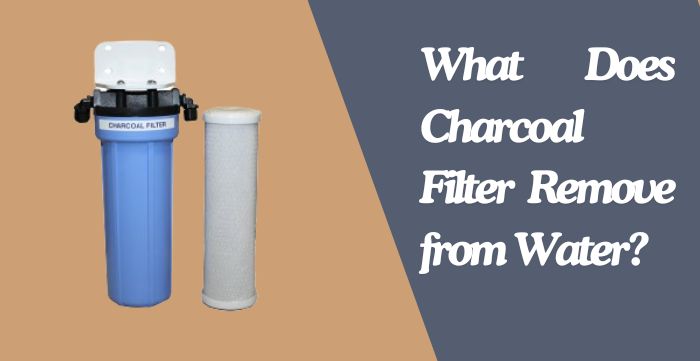
Charcoal filters, also known as activated carbon filters, are made from carbon-rich materials like wood, coconut shells, or coal. These materials are processed at high temperatures to create a porous structure with a large surface area. This structure allows the charcoal to adsorb contaminants from water effectively.
The Adsorption Process
Adsorption is the key mechanism by which charcoal filters purify water. Unlike absorption, where substances are taken into the volume of the material, adsorption involves contaminants adhering to the surface of the charcoal. This process is highly efficient due to the extensive surface area of activated carbon.
- Surface Area: One gram of activated carbon can have a surface area exceeding 3,000 square meters.
- Porosity: The porous nature of activated carbon traps contaminants, preventing them from passing through the filter.
What Charcoal Filters Remove
Charcoal filters are renowned for their ability to remove a wide range of contaminants from water. Here are some of the most common impurities they target:
Organic Compounds
Organic compounds, including pesticides, herbicides, and volatile organic compounds (VOCs), can be harmful to health. Charcoal filters are highly effective at removing these substances.
- Pesticides and Herbicides: These chemicals, often used in agriculture, can seep into water supplies. Charcoal filters adsorb these compounds, reducing their presence in drinking water.
- VOCs: Found in industrial solvents and household products, VOCs can cause various health issues. Activated carbon filters can significantly reduce VOC levels in water.
Chlorine and Chloramine
Municipal water supplies often contain chlorine or chloramine to disinfect water. While effective at killing bacteria, these chemicals can affect the taste and odor of water.
- Chlorine: Charcoal filters can remove chlorine, improving the taste and smell of water.
- Chloramine: Although more challenging to remove than chlorine, activated carbon filters can still reduce chloramine levels.
Heavy Metals
Certain types of activated carbon filters are designed to remove heavy metals like lead, mercury, and copper. These metals can pose serious health risks, especially to children and pregnant women.
- Lead: Exposure to lead can cause developmental issues in children. Charcoal filters can reduce lead levels in water.
- Mercury: High levels of mercury can damage the nervous system. Activated carbon filters help in lowering mercury concentrations.
- Copper: Excessive copper can cause gastrointestinal distress. Charcoal filters can mitigate this risk.
Sediments and Particulates
While not the primary function of charcoal filters, they can also help in removing sediments and particulates from water. This is often achieved through a combination of mechanical filtration and adsorption.
- Sediments: Particles like sand, silt, and rust can be trapped by the porous structure of activated carbon.
- Particulates: Larger particles are often filtered out, improving the clarity of water.
Benefits of Using Charcoal Filters
The use of charcoal filters offers numerous benefits, making them a popular choice for water purification.
Improved Taste and Odor
One of the most immediate benefits of using a charcoal filter is the improvement in the taste and odor of water. By removing chlorine, chloramine, and organic compounds, the water becomes more palatable.
Health Benefits
Removing harmful contaminants like heavy metals, pesticides, and VOCs can have significant health benefits. This is particularly important for vulnerable populations such as children, the elderly, and those with compromised immune systems.
Cost-Effective and Eco-Friendly
Charcoal filters are relatively inexpensive compared to other water purification methods. They are also environmentally friendly, as they can be made from renewable resources like coconut shells.
Ease of Use
Charcoal filters are easy to install and maintain. They come in various forms, including pitcher filters, faucet attachments, and under-sink systems, making them accessible for different needs and preferences.
Conclusion
Charcoal filters are a versatile and effective solution for improving water quality. By removing a wide range of contaminants, they enhance the taste, odor, and safety of drinking water. But what does charcoal filter remove from water? Whether you’re concerned about organic compounds, chlorine, heavy metals, or sediments, a charcoal filter can provide peace of mind and better health outcomes. So, the next time you pour yourself a glass of water, you can do so with confidence, knowing that a charcoal filter has done its job.
“Charcoal filters are a simple yet powerful tool for ensuring clean, safe, and great-tasting water in your home.”
For more information on water purification methods, you can visit EPA’s Water Quality Standards or check out our guide on choosing the right water filter
By understanding the benefits and capabilities of charcoal filters, you can make informed decisions about your water purification needs. Whether you’re looking to improve the taste of your water or protect your health from harmful contaminants, a charcoal filter is a reliable and effective choice.
Leave a Reply